
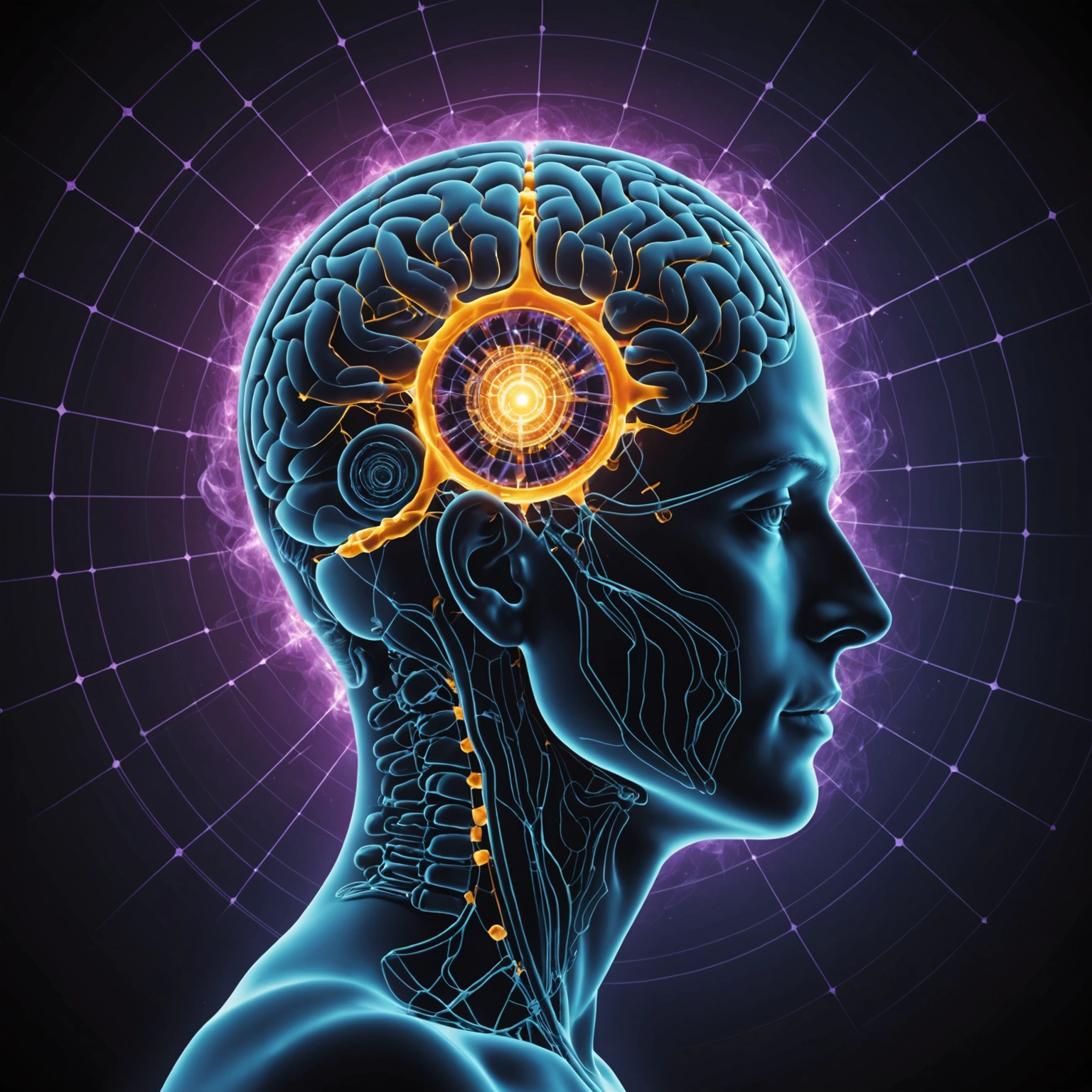
Hypnosis has moved from stage shows and myth into a legitimate area of clinical and cognitive research. Many people ask how does hypnosis work on the brain when considering whether to try hypnotherapy or teach themselves self-hypnosis techniques. Understanding the mechanisms, the evidence, and the practical differences between therapist-led hypnotherapy and self-hypnosis can help you choose the best approach for issues such as stress, pain management, habit change, and performance enhancement. Explore how therapist-guided sessions and self-hypnosis produce different brain changes and benefits for patients.
What happens in the brain during hypnosis?
When people wonder how does hypnosis work on the brain, they are often picturing a switch that turns the conscious mind off. That is not accurate. Hypnosis involves a state of focused attention and increased responsiveness to suggestion, combined with a relative reduction in peripheral awareness. Neuroimaging studies show changes in connectivity between brain regions rather than simple activation or shutdown. Areas involved in attention, such as the anterior cingulate cortex, and regions related to imagery and processing, like the parietal lobes and supplementary motor areas, shift their activity patterns. These shifts can alter how sensations, memories, and expectations are processed, which is why suggestions delivered in hypnosis can change subjective experience—reducing pain, altering perception, or enhancing relaxation.
The neuroscience: networks, brain waves, and mechanisms
Hypnosis and science have converged in recent decades to map the physiology underlying hypnotic states. Research into hypnosis brain waves indicates that certain frequency patterns—often increased theta activity—are associated with deep relaxation and enhanced internal focus. However, the picture is complex: different individuals and hypnotic techniques show variations in EEG signatures, and many studies emphasize network dynamics over single-frequency markers. The science behind hypnosis also highlights top-down modulation, where frontal brain regions exert greater influence over sensory and limbic areas, changing how the brain weights incoming signals. This explains why suggested changes in perception or emotion can feel authentic: the brain’s interpretive systems are being guided to construct experience differently.
Hypnotherapy versus self-hypnosis: how they differ
Comparing hypnotherapy vs self hypnosis reveals both overlap and important differences. Hypnotherapy delivered by a trained practitioner typically involves a tailored induction, skilled use of language and suggestion, and an external perspective that can help uncover or target unconscious processes. A clinician can adapt in real time, offering interventions that draw on clinical training and therapeutic models. Self-hypnosis, by contrast, emphasizes autonomy and practice. People learn induction techniques, scripts, or mental imagery strategies to use independently. While self-hypnosis can be highly effective for routine stress reduction, rehearsal of new habits, and daily performance work, some conditions—especially those tied to complex psychological patterns—may benefit more from a clinician’s assessment and application of hypnotherapy science. Both approaches share the same underlying mechanisms in the brain, but the depth and focus of application often differ. Understanding brain mechanisms can reveal hypnotic susceptibility signs indicating whether someone responds readily to suggestion.
Evidence and benefits: what research supports
Evidence from randomized trials, neuroimaging studies, and clinical reviews supports a range of benefits for both hypnotherapy and regular self-hypnosis practice. Hypnotherapy has demonstrated effectiveness for pain control, reducing symptoms of irritable bowel syndrome, and treating phobias and certain anxiety conditions when combined with cognitive-behavioral techniques. Self-hypnosis often shows benefit for stress management, sleep improvement, and chronic pain when used consistently. The hypnotherapy science literature emphasizes that expectancy, rapport, and focused practice predict outcomes; people who are motivated and who practice self-hypnosis regularly tend to get the best results. Understanding the science behind hypnosis helps set realistic expectations: it is not magic but a set of reliable psychological and neural processes that can be harnessed for change.
Practical considerations: how to choose and use hypnosis safely
Many newcomers ask what is hypno or how to begin. Briefly, the phrase “what is hypno” is often shorthand for asking what hypnosis is: a guided state of focused attention and increased suggestibility used therapeutically. If you’re choosing between hypnotherapy and self-hypnosis, consider your goals, the severity of the issue, and your comfort with self-guided practice. For acute or complex psychological problems, a licensed clinician trained in hypnotherapy science can provide assessment, structure, and safeguards. For ongoing performance work or daily stress reduction, self-hypnosis is accessible and cost-effective. Safety-wise, hypnosis is low-risk for most people, but those with certain psychiatric conditions or trauma histories should consult a professional. Learning basic techniques from a qualified teacher or therapist can improve efficacy and reduce the chance of misapplied suggestions or frustration during practice.
Understanding how does hypnosis work on the brain clarifies why both hypnotherapy and self-hypnosis have valuable roles. The brain’s capacity to change how it attends, processes, and interprets experience makes hypnosis a tool for therapeutic and personal development. Whether you opt for a clinician-guided course of hypnotherapy or develop a self-hypnosis routine, being informed about the science behind hypnosis and realistic about likely benefits will help you use the method effectively and safely.